Mouraria Lisbon: A Free Guide To Mouraria And Graça
Mouraria and Graça are the hill districts where Lisbon keeps its oldest streets, its open viewpoints and its fado tradition, and almost all of it costs nothing to walk through.
Short answer
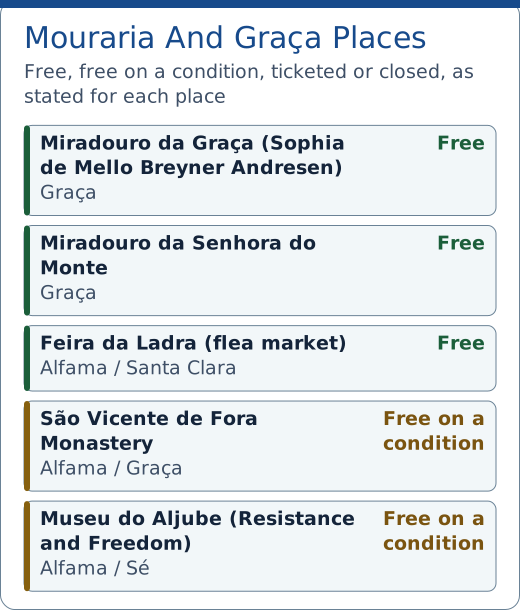
The streets, squares and viewpoints of Mouraria and Graça are free open public space, including Miradouro da Graça, listed open 24 hours, and Miradouro da Senhora do Monte. The paid items sit inside: São Jorge Castle is EUR 17, the Graça funicular is EUR 4.30 for two trips, and the Sé tourist visit is EUR 7. Free walking tours cover both hills, reserved on GuruWalk and freetour.com.
Fado, the urban popular song of Portugal, was inscribed by UNESCO on the Representative List of the Intangible Cultural Heritage of Humanity in 2011. The hill districts of Mouraria and Graça, on Lisbon's eastern slope, are where that tradition, those lanes and those views live, and the great majority of what makes them worth visiting is open public space that costs nothing. This guide walks through both neighbourhoods in order: what is free in Mouraria, what is free in Graça, the viewpoints, the fado ground, the street art and the free walking tours that cover it.
What Is Free To Do In Mouraria?
Mouraria's lanes, squares and hillside streets are free open public space, walkable at any hour with no ticket, gate or guide. Martim Moniz square and the streets running up from it cost nothing, and the fado route streets are ordinary working lanes. What is paid is interior: São Jorge Castle on the neighbouring hill is EUR 17, and the Sé tourist visit is EUR 7, while its prayer space stays free. A free walk covers this ground: Alternative Side Walking Tour.
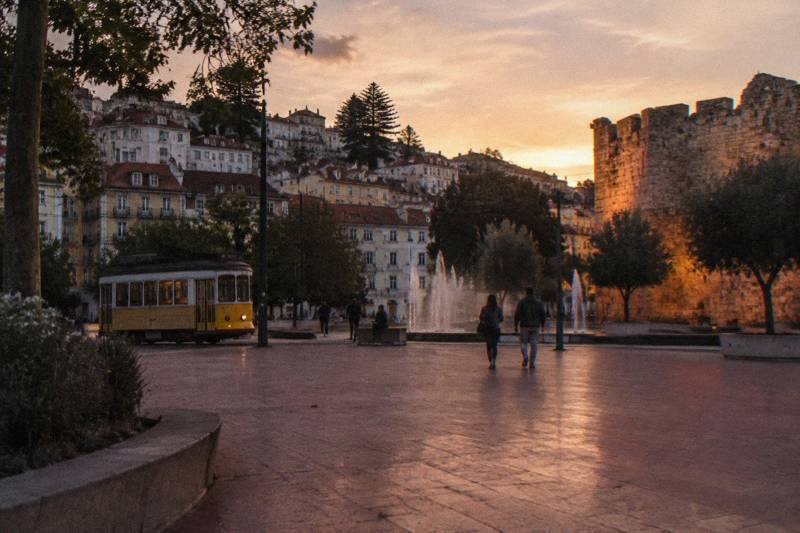
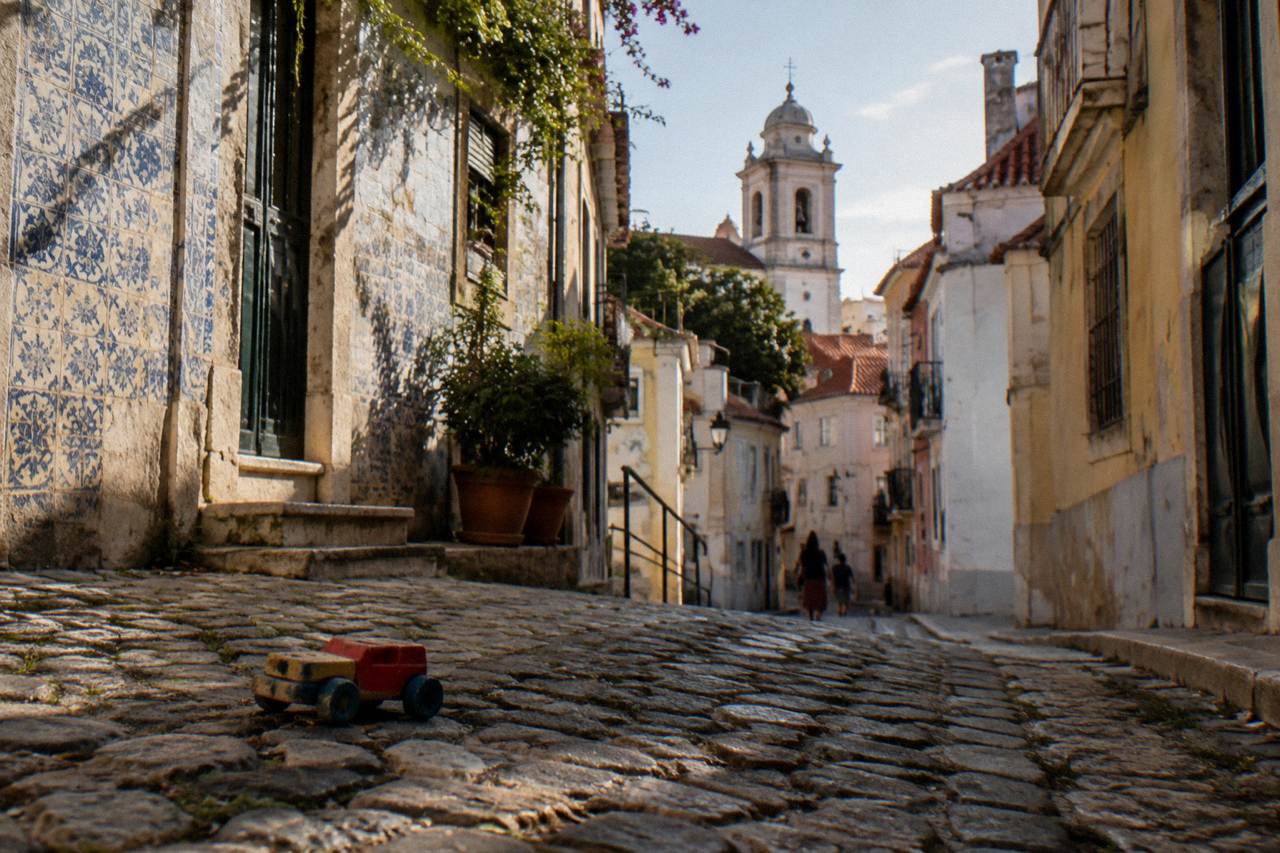
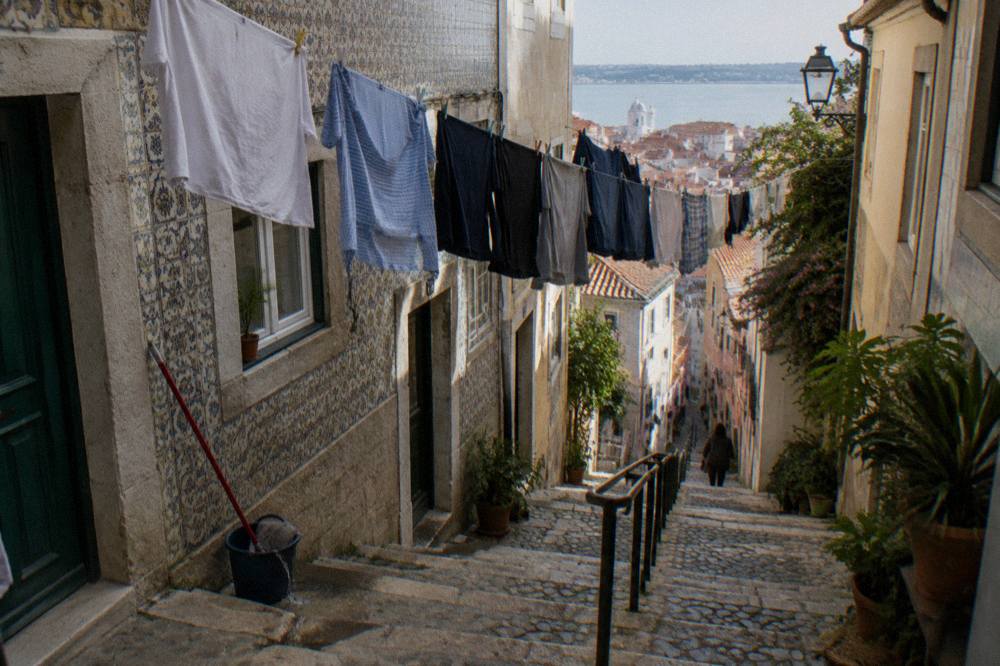
The district's character comes from being one of the city's oldest residential quarters, a tangle of lanes climbing from Martim Moniz toward the Graça ridge. None of that fabric is gated. You walk it, you look at it, you stop where a corner opens a view over the rooftops, and nothing asks you for money. The practical planning point is the split between the hill and its monuments: the streets are free, the castle on the next hill is a paid visit, and the distinction is worth holding in mind before you set out, because the walk between them is the free part and the entrance is not.
The same two-sided rule applies to the Sé. Lisbon Cathedral keeps a separate space reserved for prayer, free for those who come to pray, while the tourist visit to the naves, ambulatory, High Choir and Treasury is ticketed at EUR 7, with visits limited during worship. A walk that passes the cathedral and continues into the old lanes sees the exterior and the street life for nothing. The neighbouring Alfama guide covers that district's own streets and viewpoints in the same detail.
| Place | Status | Condition |
|---|---|---|
| Mouraria lanes and hillside streets | Free | Open public space, no ticket |
| Martim Moniz square | Free | Open public space |
| Sé de Lisboa prayer space | Free | Reserved for those who come to pray |
| Sé de Lisboa tourist visit | EUR 7 | Ticketed, limited during worship |
| São Jorge Castle | EUR 17 | Ticketed, on the neighbouring hill |
For a guided version of exactly this ground, the Alfama And Mouraria, 3 Hours walk runs on GuruWalk, rated 4.71 out of 5 across 722 GuruWalk reviews, three hours in English and Spanish, meeting at Rossio Square. It is free, pay what you want, reserved through the guide's GuruWalk page.
What Is Free To Do In Graça?
Graça's streets and viewpoints are free open public space, led by Miradouro da Graça, listed on lisboa.pt as open 24 hours, and the public terrace at Miradouro da Senhora do Monte. The neighbourhood's gardens and lanes cost nothing to walk. The one paid machine on the hill is transport: the Graça funicular, reopened on 30 April 2026, charges EUR 4.30 for two trips, so the free option is the walk up.
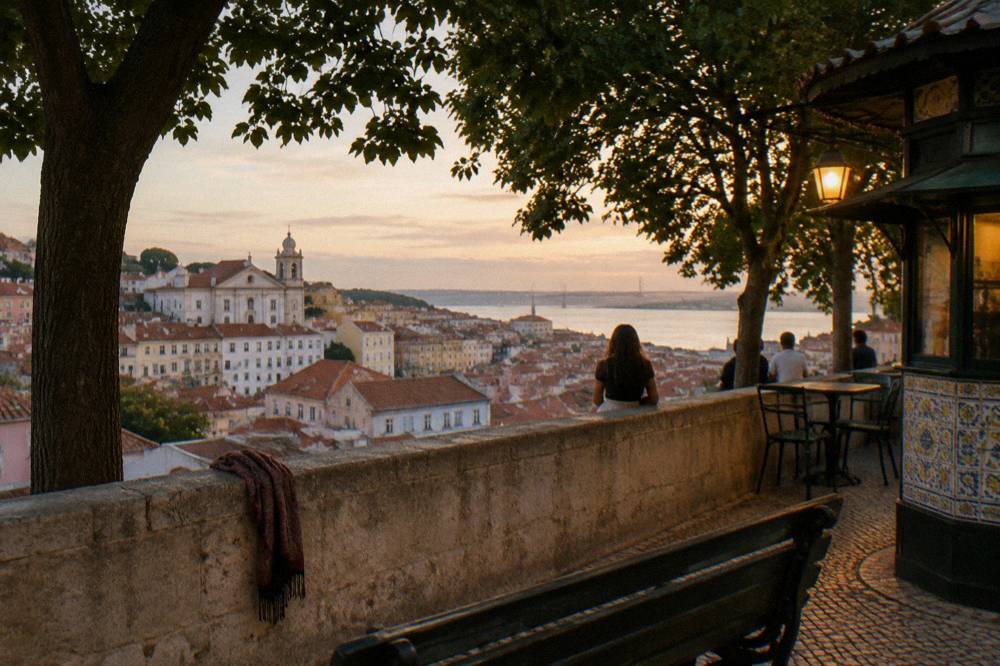
Graça sits at the top of the eastern hill, and its viewing spots are its main draw. The official city listing for Miradouro da Graça, formally named for the poet Sophia de Mello Breyner Andresen, gives it as open 24 hours, a free public garden terrace. From there the lanes run down toward Mouraria on one side and toward Anjos on the other, all ordinary streets. The funicular that now links Mouraria to Graça is worth knowing about precisely because it is not free: it reopened on 30 April 2026 after safety certification, runs daily from 07:00 to 21:00, and the onboard fare is EUR 4.30 covering two trips, with a Navegante pass accepted. It carried over 3,600 people in its first two weeks. If you would rather not pay, the hill paths are the free alternative and the views are the same at the top.
The wider context for planning is on the Lisbon neighbourhoods overview, and the city's viewpoint culture is covered in depth in the miradouros guide. What matters here is simple: Graça is a hill you can enjoy entirely on foot for nothing, with one paid lift as a convenience rather than a necessity. Bring water, take the slopes at your own pace, and treat the terraces as the destination.
Is Miradouro Da Senhora Do Monte Worth The Walk Up?
Yes, for the view alone: Miradouro da Senhora do Monte is a free public viewpoint on the Graça hill, described by Visit Lisboa as panoramic, and it costs nothing to reach on foot. The walk up is through free public streets, and the terrace at the top is open space with no admission. The paid items nearby are the castle interior at EUR 17 and the funicular at EUR 4.30, neither of which you need for this view.
The official Visit Lisboa page for Miradouro da Senhora do Monte places it on Rua da Senhora do Monte and describes it as a panoramic public viewpoint. It is commonly called the highest of the city centre's viewing terraces, though that claim is a description rather than a measured figure, so treat it as reputation rather than survey data. What is verifiable is the experience: a broad terrace, a long sweep over the Tagus, the castle hill and central Lisbon, and no gate, kiosk charge or ticket anywhere on it.
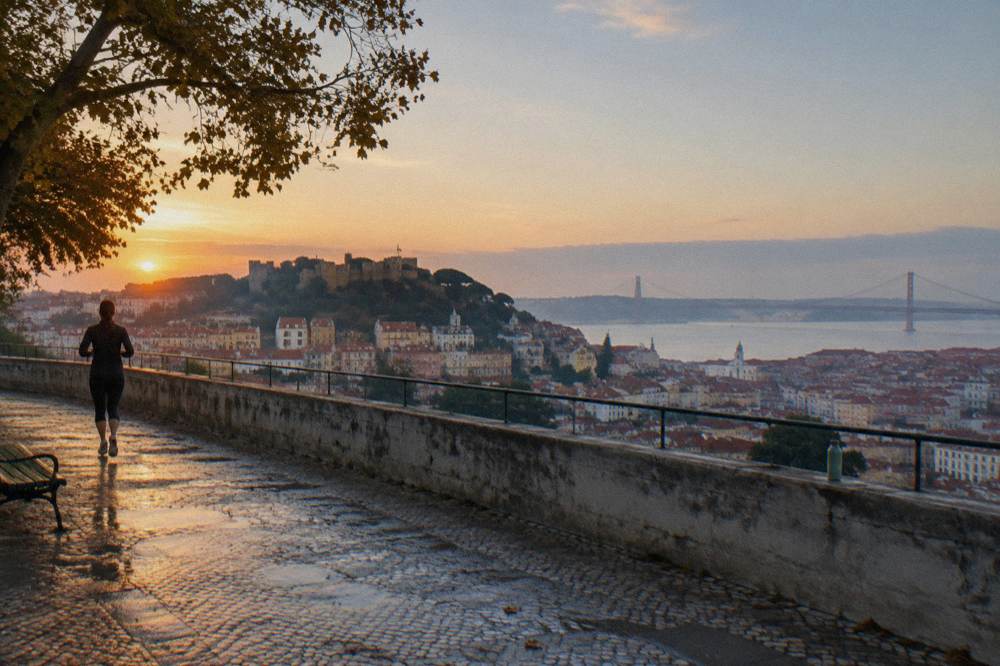
The hill walks around it are equally free. The Castelo hill streets and the Alfama lanes cost nothing to walk, while São Jorge Castle itself is ticketed at EUR 17; the distinction is the same one that runs through this whole guide. If you want the castle's exterior and the hill's views without the ticket, the Alfama Walk, Castle Exterior tour on GuruWalk covers that ground: rated 4.83 out of 5 across 491 GuruWalk reviews, two hours 30 minutes in English, meeting at Rossio Square, free and pay what you want.
The castle exterior walk above runs in English only, while the Alfama And Mouraria, 3 Hours walk earlier in this guide runs in English and Spanish from Rossio Square. Both are free, pay what you want, reserved on the guide's own GuruWalk page, where the meeting point is printed. Language and duration are the real decision here, not price.
| Viewpoint | Where | Access |
|---|---|---|
| Miradouro da Senhora do Monte | Rua da Senhora do Monte, Graça | Free public terrace |
| Miradouro da Graça | Calçada da Graça | Free, listed open 24 hours |
| Miradouro de Monte Agudo | Rua Heliodoro Salgado, between Graça and Anjos | Free, pergola and kiosk |
| Miradouro do Torel | Rua Júlio de Andrade, Anjos side | Free garden viewpoint |
Plan the walk for late afternoon if a sunset matters to you, since the terraces face west and south over the city. Sunset times move through the year, so check a current table rather than relying on a fixed hour, and note that the free public lifts and escalators that help on other hills do not serve this slope: the Graça funicular is the paid exception, everything else here is legwork.
Where Is The Fado Birthplace In Mouraria?
Fado's historical home is Lisbon's old hill neighbourhoods, and Mouraria's lanes are the streets most tied to that tradition in the city's own fado route documentation. The verifiable anchor is UNESCO's 2011 inscription of fado, and the Museu do Fado's roteiro, which maps the tradition across these hills. The museum itself is ticketed at EUR 5, but the streets, the fado vadio culture and the route itself cost nothing.
The honest framing matters here. What can be stated firmly is that fado, the urban popular song of Portugal, was inscribed by UNESCO on the Representative List of the Intangible Cultural Heritage of Humanity in 2011, and that the Museu do Fado, the national reference institution for the tradition, sits at Largo do Chafariz de Dentro 1 near Santa Apolónia, at the foot of these hills. The museum is open Tuesday to Sunday, 10:00 to 18:00, with a normal ticket at EUR 5, free for children up to 12 and for Lisbon-municipality residents under its own entry rules, so visitors from outside the municipality pay.
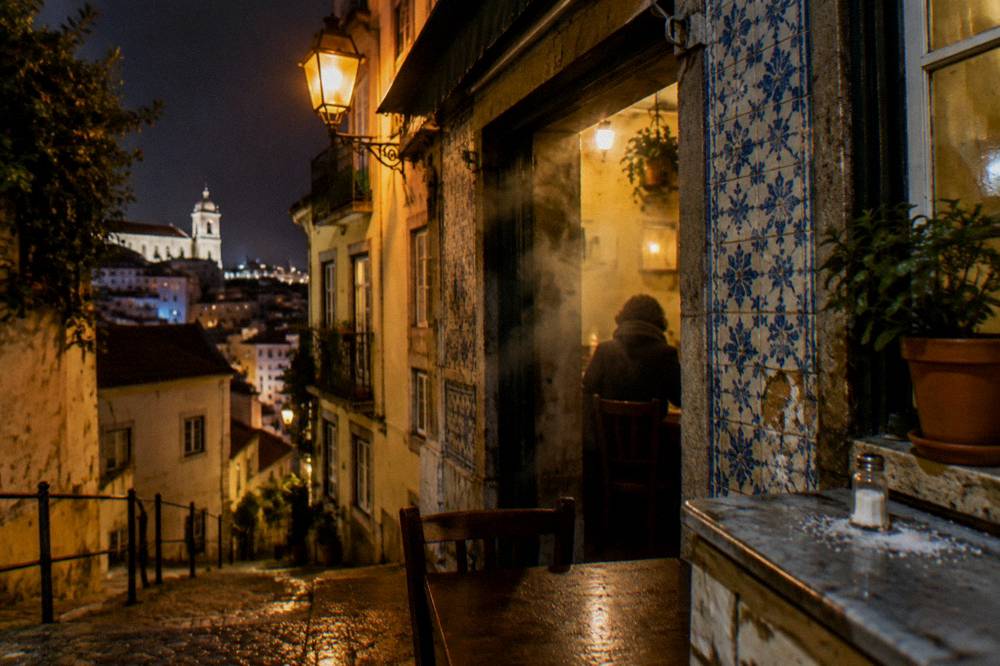
The free side of fado is the living one. The Museu do Fado's roteiro documents fado vadio, the amateur, spontaneous fado sung in small tascas, and Visit Lisboa's fado route describes simple eateries around the square beside the church of São Miguel where fado vadio is sung, with drinks as the cost of the evening. Door policies vary by house and are not published in any uniform way, so confirm at the door rather than assuming a cover rule. The full picture, including where fado vadio runs and what is verified, is in the free fado guide.
For a walk that covers this ground with a guide, the Alfama Secrets tour by Hi Lisbon Walking Tours runs on GuruWalk, rated 4.78 out of 5 across 1,706 GuruWalk reviews, two hours 30 minutes in English, meeting at Praça do Comércio, free and pay what you want through the guide's GuruWalk page. Everything else covered here is indexed on Free Things To Do In Lisbon.
Which Free Street Art Sits In These Streets?
Viewing street art in public space is free wherever the work is authorised, and Lisbon's street art is coordinated by the Galeria de Arte Urbana, the city council unit created in 2008 to promote graffiti and street art in legal contexts. No official route map currently lists specific works inside Mouraria's lanes, so the honest answer is: the city's documented pieces sit elsewhere, and these hills are where you look with your own eyes rather than a map.
The Galeria de Arte Urbana is the Câmara Municipal de Lisboa unit, part of the Department of Cultural Heritage, that promotes graffiti and street art in authorised contexts, set against vandalism. It was created in 2008 after a clean-up operation in Bairro Alto, and its first exhibition space was the panel wall at Calçada da Glória, on the other side of the city centre. That matters for planning: the documented, officially listed works on Visit Lisboa's urban art route, such as Bordalo II's Iberian Lynx at Oriente Station, sit outside Mouraria and Graça, and no official source currently pins named pieces inside these two districts.
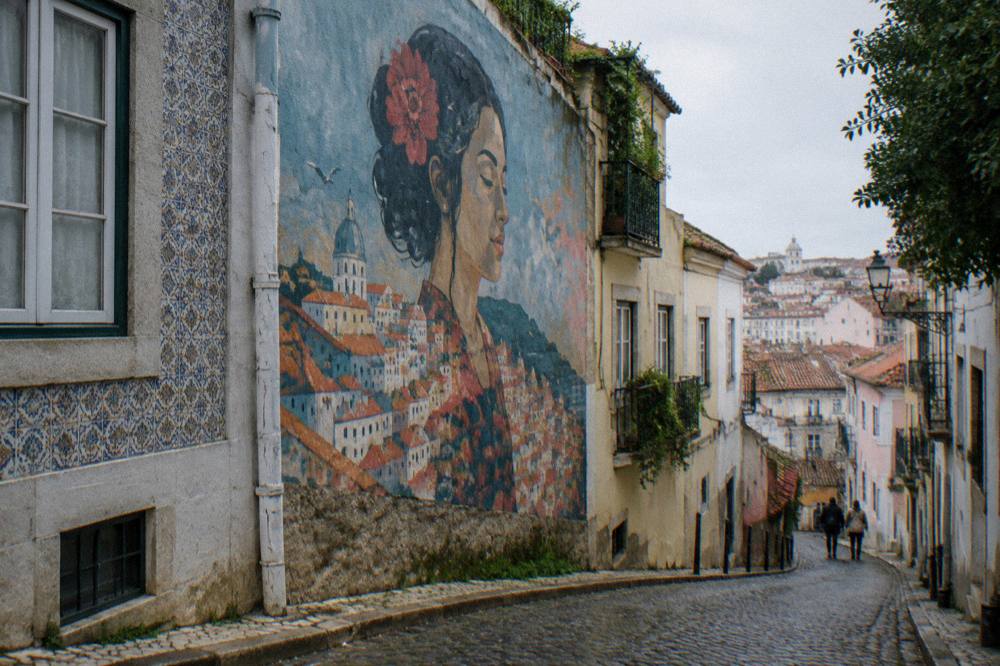
What these hills do have is the ordinary, unsanctioned-by-no-one texture of painted shutters, tiled facades and tagged walls that any old working quarter accumulates, all of it free to see because it is in the street. If you want the documented side of the city's street art, with the verified locations, the Lisbon street art guide carries the works that official routes actually list. Treat Mouraria's walls as atmosphere, not as a catalogue, and you will not be misled by a listicle that names pieces no official page confirms.
Which Free Walking Tours Meet In Mouraria?
Free walking tours covering Mouraria and Graça run on GuruWalk and freetour.com, free and pay what you want, reserved on each walk's own page on its platform. The Fado Hills walk, Spanish, meets at Rua da Mouraria 38, rated 4.84 out of 5 across 31 GuruWalk reviews; the Alternative Side tour meets at Martim Moniz Square, rated 4.69 out of 5 across 144 GuruWalk reviews. Walks from Rossio Square cover these hills too. One of the free walking routes passes through here: Alternative Side Walking Tour.
The roster for this site lists 63 free walking tours across GuruWalk and freetour.com, and the ones relevant here either meet inside the district or start from the squares at its foot. The Fado Hills walk, Spanish, one hour 45 minutes, meets at Rua da Mouraria 38, in the heart of the fado ground. The Alternative Side Walking Tour meets at Martim Moniz Square and is English, two hours 30 minutes. Both are GuruWalk listings, free, pay what you want, with the reservation made on the walk's own GuruWalk page. Note the languages plainly: the fado walk runs in Spanish, the alternative walk in English.
| Walk | Platform | Rating | Duration | Language | Meets at |
|---|---|---|---|---|---|
| Fado Hills, Spanish | GuruWalk | 4.84 out of 5 across 31 reviews | 1 hour 45 | Spanish | Rua da Mouraria 38 |
| Alternative Side Walking Tour | GuruWalk | 4.69 out of 5 across 144 reviews | 2 hours 30 | English | Martim Moniz Square |
| Alfama And Mouraria, 3 Hours | GuruWalk | 4.71 out of 5 across 722 reviews | 3 hours | English and Spanish | Rossio Square |
| Unmissable Essentials By Take | GuruWalk | 4.87 out of 5 across 6,312 reviews | 2 hours 45 | English, Spanish, French, Italian | Praça dos Restauradores |
| Downtown And Bairro Alto, 3 Hours | GuruWalk | 4.78 out of 5 across 214 reviews | 3 hours | English and Spanish | Rossio Square |
Choosing among them is a matter of language, duration and meeting point rather than price, since every walk here is free, pay what you want, and the tip is whatever you consider fair at the end. The general mechanics of how that works, and what walkers actually pay, are covered in the free walking tours guide. Whatever you pick, reserve through the walk's own page on its platform, check the meeting point on that listing, and arrive a few minutes early.
Common Questions About Mouraria And Graca
Is Miradouro Da Senhora Do Monte Free?
Yes. It is a free public viewpoint on the Graça hill, described by Visit Lisboa as a panoramic public terrace, with no admission, no gate and no kiosk charge. The walk up is through free public streets. The paid items nearby are the São Jorge Castle interior at EUR 17 and the Graça funicular at EUR 4.30 for two trips, neither of which you need for the view.
What Is Free To Do In Mouraria?
Mouraria's lanes, squares and hillside streets are free open public space, including Martim Moniz square and the fado route streets. The fado vadio culture in the surrounding tascas costs only what you drink, with door policies to confirm at each house. Paid interiors in the area are the castle at EUR 17 and the Sé tourist visit at EUR 7, while the Sé prayer space stays free.
Is The Graça Funicular Free?
No. The Graça funicular reopened on 30 April 2026 and charges EUR 4.30 onboard for two trips, running daily from 07:00 to 21:00, with a Navegante pass accepted. The free alternative is walking the hill paths, which reach the same viewpoints. Note that the Gloria, Bica and Lavra funiculars and the Santa Justa lift remain out of service, so Graça's is the only running funicular nearby.
Where Can You Hear Fado For Free In These Districts?
Fado vadio, the amateur, spontaneous form, is sung in small eateries around the square beside the church of São Miguel, per Visit Lisboa's fado route, with drinks as the cost. Door policies and schedules vary by house and are not published uniformly, so confirm at the door. The Museu do Fado, the reference institution, is ticketed at EUR 5 for visitors from outside the Lisbon municipality.
Do Free Walking Tours Cover Mouraria And Graça?
Yes. Free, pay what you want walks on GuruWalk and freetour.com cover both hills, including a Spanish fado walk meeting at Rua da Mouraria 38 and an English alternative walk meeting at Martim Moniz Square, plus walks from Rossio Square and Praça dos Restauradores that cover the eastern hill districts. Reserve through each walk's own listing on its platform.
Is São Jorge Castle Free If You Are Just Walking The Hill?
The hill streets, the lanes approaching the castle and the views from the surrounding public terraces are free. The castle itself is ticketed at EUR 17 for visitors. If you want the exterior and the hill without the ticket, a free walking tour covering the castle exterior, such as the Alfama Walk, Castle Exterior tour on GuruWalk, covers that ground at no fixed price.